
Pre-K Program Overview at Candyland Child Learning Center
The Pre-K Program at Candyland Child Learning Center in Colonia, NJ is designed for children aged 4 to 5 years old who are preparing for kindergarten entry. This stage represents a structured early learning environment where children build upon foundational preschool skills and begin developing more advanced academic readiness, independence, and classroom responsibility.
As part of a licensed childcare facility in New Jersey serving children from 6 weeks through 12 years old, the Pre-K program follows a consistent educational pathway that allows children to transition smoothly from earlier preschool stages into a more structured school-preparation environment. The program operates Monday through Friday from 6:30am to 6:30pm, providing full-day care and learning support for families in Colonia, NJ.
The Pre-K classroom focuses on preparing children for the expectations of formal schooling while maintaining a developmentally appropriate, engaging, and supportive environment.
Daily Classroom Structure and Learning Routine
The Pre-K Program follows a structured daily schedule designed to introduce consistency, time management, and responsibility while maintaining flexibility for age-appropriate learning needs.
Morning Arrival and Classroom Transition
Each day begins with a guided arrival period where children are supported in transitioning from home to school. Teachers assist with organization, emotional adjustment, and readiness for group participation. This routine helps children develop independence and confidence in entering a structured learning environment.
Morning Circle and Instructional Time
Morning circle is a central part of the Pre-K routine where children participate in group discussions, calendar activities, storytelling, and early academic review. This structured interaction encourages communication skills, listening comprehension, and early critical thinking.
Midday Learning and Rest Balance
After instructional activities, children engage in a combination of guided learning centers and quiet time. Rest periods are included to support focus, emotional regulation, and physical recovery for continued engagement throughout the day.
Early Academic Readiness and Skill Development
The Pre-K Program emphasizes structured early academic exposure aligned with kindergarten readiness expectations. Learning is delivered through interactive, hands-on experiences that encourage participation and comprehension.
Early Literacy and Language Development
Children engage in reading readiness activities that include phonics awareness, letter recognition, vocabulary building, and storytelling. Teachers support children in forming structured sentences, identifying sounds, and developing early reading comprehension skills.
Early Mathematics and Logical Thinking
Mathematical concepts are introduced through counting, number recognition, basic addition concepts, measurement activities, and pattern identification. These skills are taught through interactive classroom activities that encourage problem-solving and reasoning.
Writing Readiness and Fine Motor Skills
Pre-K students participate in structured writing readiness exercises that strengthen pencil control, letter formation, and hand coordination. Activities include tracing, drawing, and guided writing practice that prepare children for elementary school expectations.
Social, Emotional, and Behavioral Development
The Pre-K environment places strong emphasis on developing social awareness, emotional regulation, and appropriate classroom behavior in preparation for kindergarten.
Peer Interaction and Cooperative Learning
Children engage in group-based activities that encourage teamwork, communication, and shared responsibility. These experiences help develop early collaboration skills and respectful interaction with peers.
Emotional Regulation and Self-Awareness
Teachers support children in recognizing emotions and responding appropriately in social situations. Conflict resolution and emotional expression are guided through structured communication and consistent classroom expectations.
Responsibility and Independence Building
Children are encouraged to take ownership of daily classroom routines, including organizing materials, following instructions, and completing tasks independently. This fosters confidence and prepares them for structured school environments.
Classroom Environment and Instructional Approach
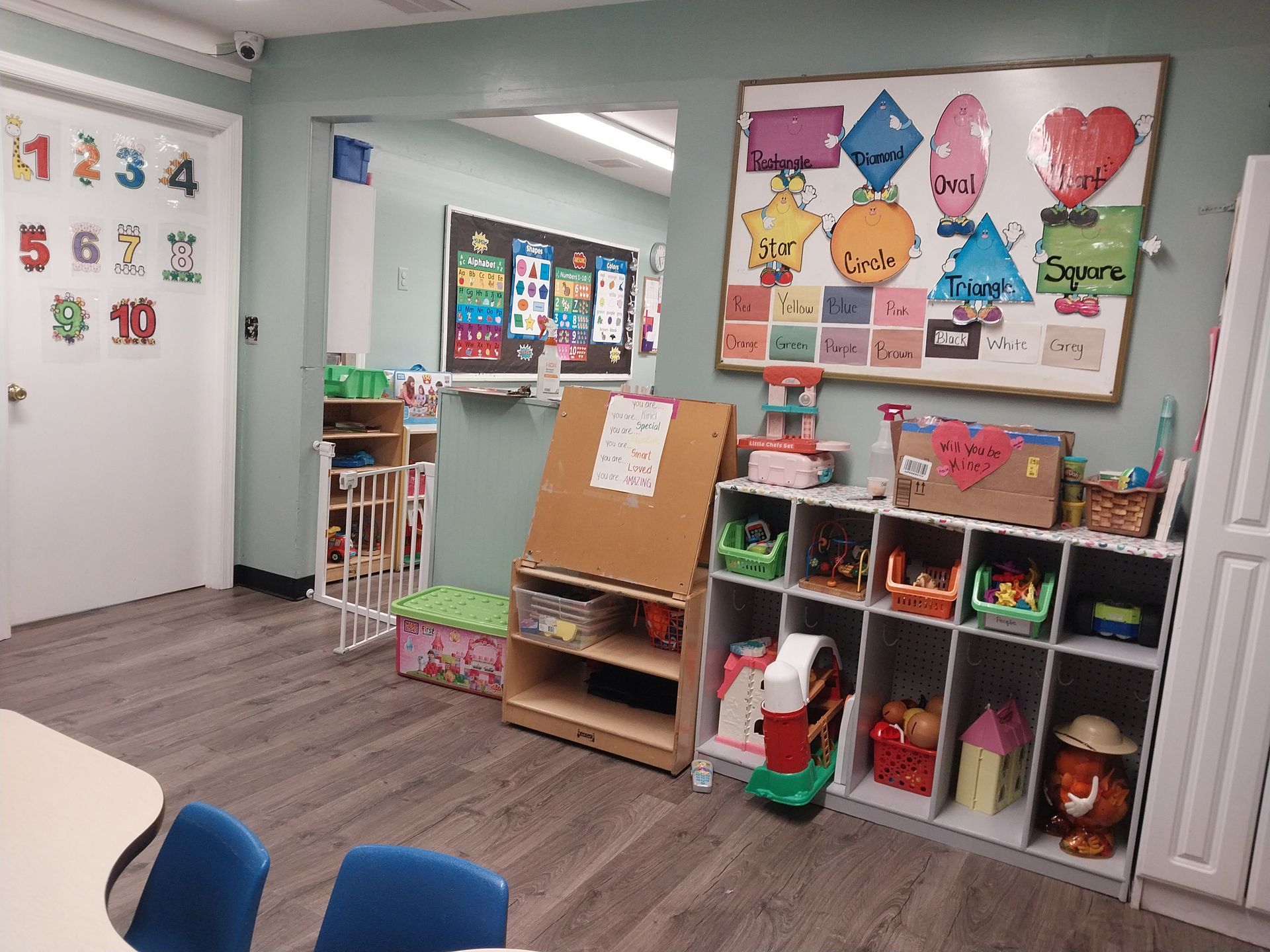
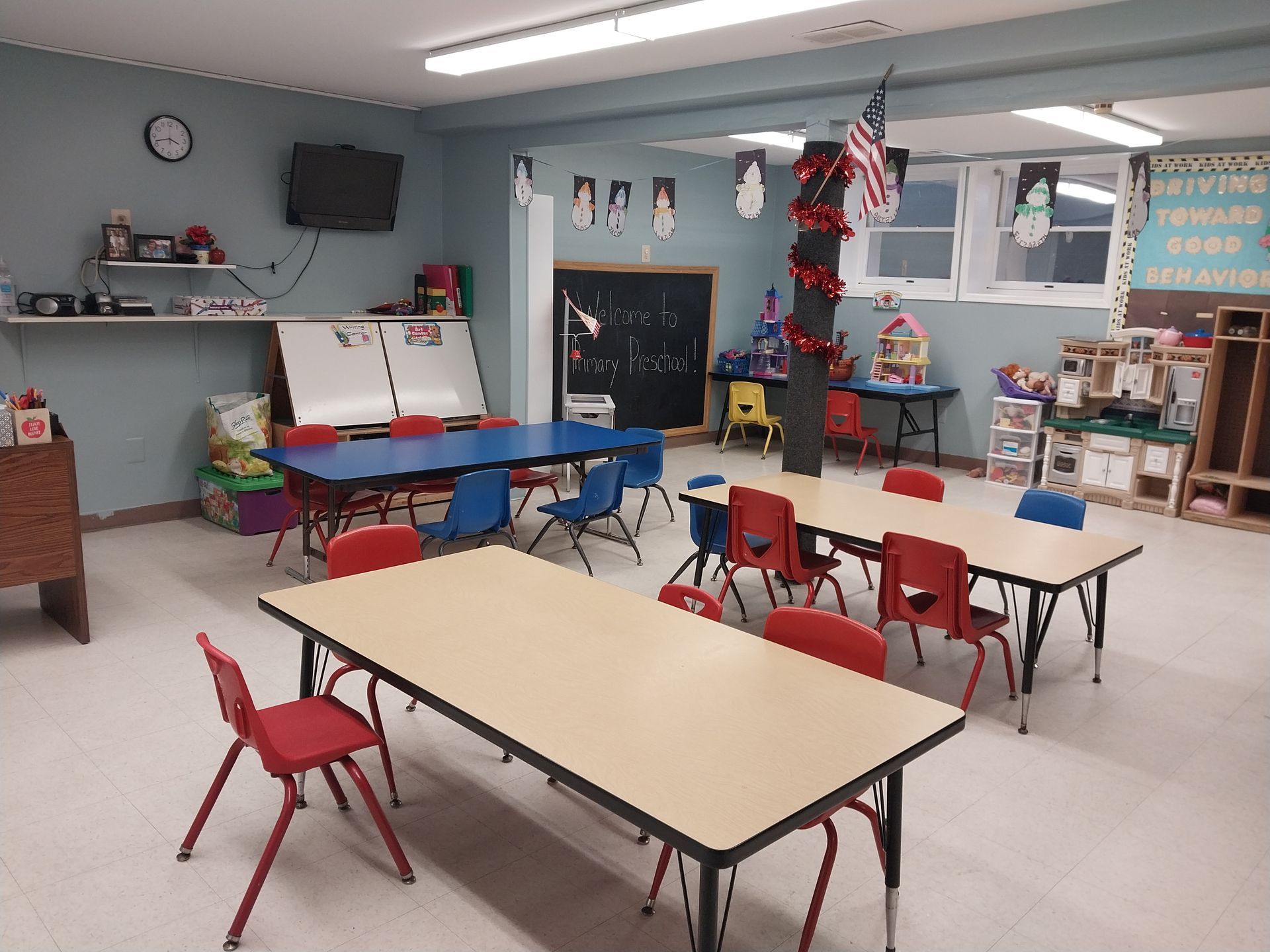
The Pre-K classroom at Candyland Child Learning Center is designed to balance structured instruction with interactive learning. The environment supports focused academic engagement while allowing space for creativity and exploration.
Learning Centers and Classroom Design
The classroom is organized into learning areas that support literacy, math, creative arts, building activities, and quiet focus. Each area is structured to encourage purposeful engagement and minimize distractions during learning time.
Teacher-Guided Instruction and Support
Educators provide structured lessons aligned with early learning standards while adapting instruction to meet individual developmental needs. Teachers guide children through both group learning and individualized support as needed.
Predictable Routine and Classroom Stability
A consistent daily schedule helps children develop time awareness and familiarity with classroom expectations. Predictable transitions between activities support smoother behavior management and stronger learning engagement.
Safety, Licensing, and Program Standards
Candyland Child Learning Center operates as a fully licensed childcare provider in New Jersey, ensuring that the Pre-K Program meets all required health, safety, and educational standards.
Licensed Early Childhood Program Compliance
The Pre-K classroom adheres to all state regulations regarding staffing ratios, supervision requirements, and classroom safety standards. This ensures children receive appropriate attention and care throughout the day.
Health, Cleanliness, and Safety Procedures
All classroom materials, furniture, and shared learning tools are cleaned and sanitized regularly. Hygiene practices are incorporated into daily routines to maintain a safe and healthy learning environment.
Qualified Early Childhood Educators
Teachers in the Pre-K Program are trained in early childhood education, child development, and classroom instruction strategies. Their training ensures that instruction aligns with developmental milestones and school readiness expectations.

Enrollment, Program Hours, and Availability
The Pre-K Program is available for children aged 4 to 5 years in Colonia, NJ. Enrollment is managed based on classroom capacity and is structured to maintain appropriate group sizes for effective learning and individualized attention.
Candyland Child Learning Center operates Monday through Friday from 6:30am to 6:30pm, offering full-day childcare and early education support for working families. As part of a licensed childcare system serving children from infancy through 12 years old, the Pre-K program represents the final stage before kindergarten entry, ensuring children are prepared for the next step in their academic journey.
Families are encouraged to apply early due to limited classroom availability and structured enrollment planning designed to maintain program quality and consistency.